 BTC$81,553
 ETH$2,410
 BNB$720.62
 XRP$1.30
 SOL$103.50
 TRX$0.3348
 HYPE$79.18
 ZEC$1,148
 DOGE$0.0801
 XMR$557.62
Vitalik Buterin Details 'Paranoid Mode' AI Agent Privacy Setup
Ethereum co-founder described a multi-layer privacy stack for AI agents: zkAPI payments, Tor circuits, cover traffic, and local LLM prompt rewriting.

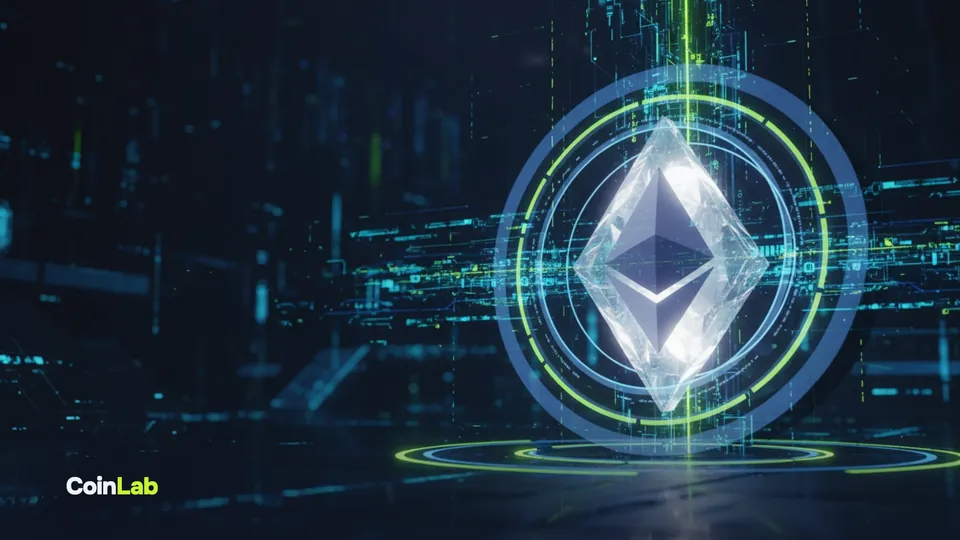
Ethereum co-founder Vitalik Buterin posted on X on October 16, 2026 at approximately 3:30 PM ET a detailed breakdown of his experimental "paranoid mode" AI agent setup — a multi-layer privacy wrapper built around the zkAPI payment system, which launched on the Ethereum mainnet on October 1, 2026.
Details
The setup layers four independent privacy mechanisms over the Pi AI agent harness:
- zkAPI — an Ethereum-based payment layer using zero-knowledge proofs to decouple payment identity from individual AI requests, preventing the provider from linking a transaction to a specific prompt.
- Per-conversation Tor circuits — each new dialogue is assigned a separate Tor circuit, with all agent traffic routed through torsocks.
- Cover traffic — random background requests mask real usage patterns against passive observers.
- Local LLM prompt rewriting — Qwen3.8-Flash-Next rewrites prompts before they reach the external provider. The agent harness itself runs inside a Bubblewrap sandbox.
Buterin acknowledged two key limitations. First, Tor's defenses are "much weaker if the LLM provider is colluding with the guard," meaning an adversary controlling Tor entry relays could partially deanonymize traffic. Second, the setup adds significant latency, particularly when starting a new conversation. He noted the system is "getting quite usable" and that zkAPI transaction costs on mainnet are expected to fall soon.
What This Means for the Market
Buterin's writeup signals that leading crypto developers are treating AI agent privacy as a practical engineering problem, not just a theoretical concern. zkAPI routes payments through Ethereum infrastructure to separate billing identity from request patterns — extending Ethereum's utility into the AI agent stack. Widespread adoption will hinge on latency improvements and uptake by developers building across other agent frameworks.

Comments