 BTC$60,917
 ETH$1,717
 BNB$556.52
 XRP$0.9255
 SOL$70.03
 TRX$0.3053
 HYPE$62.59
 ZEC$788.80
 XMR$495.00
 DOGE$0.0551
IOSCO warns quantum upgrade will be hard for blockchains
IOSCO says post-quantum signatures run 35–40x larger than ECC ones; a Solana testnet saw throughput fall about 90%, and migration needs network-wide coordination.

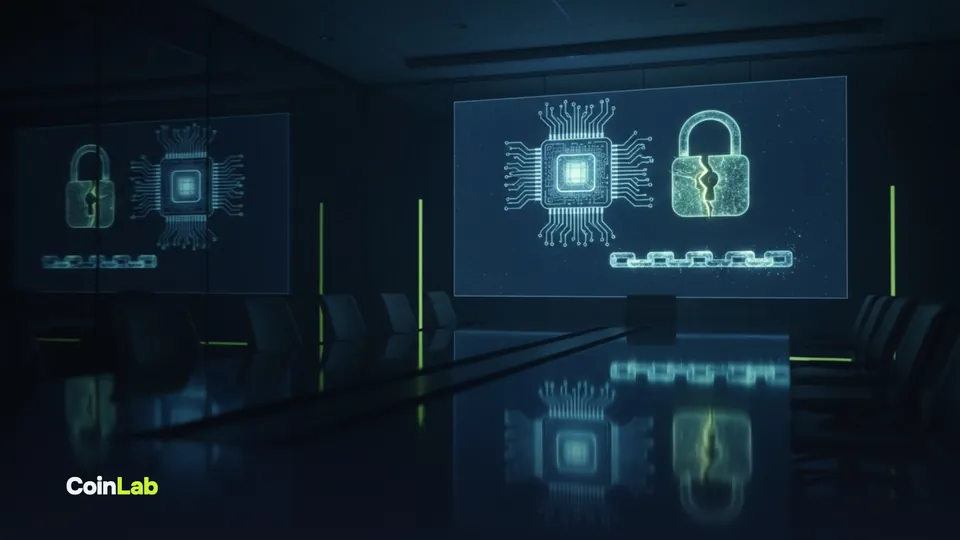
The International Organization of Securities Commissions (IOSCO), which brings together regulators from more than 130 jurisdictions, has published its final report on the implications of quantum computing for financial markets. The key message for crypto: moving blockchains to quantum-resistant cryptography may be especially hard because the cryptography is built into the networks' core architecture.
Details
The report, prepared by IOSCO's quantum computing working group, names Ethereum, Solana and Tron among public networks that rely on elliptic-curve cryptography. A sufficiently powerful quantum computer could in theory derive a private key from an exposed public key. Swapping the algorithms would need coordinated upgrades, including hard forks, and buy-in from thousands of independent validators and node operators.
There is a performance cost too. According to the report, post-quantum signatures from NIST candidates are about 2,420 bytes, roughly 35–40 times the size of today's 64-byte signatures. On a quantum-resistant Solana testnet, throughput fell about 90% after the signature swap, which could affect data volume, storage and fees. As Decrypt and Cointelegraph report, the document also flags "harvest now, decrypt later" risk: encrypted data can be collected today.
IOSCO board chair Jean-Paul Servais said in the organization's release that the scale and duration of the transition mean the financial sector should start preparing now. No practical quantum computer able to break widely used cryptography exists yet; conservative estimates put such machines at 2030–2035.
What this means for the market
The report does not change the threat to networks today, but it shows regulators are putting quantum risk on the agenda and expect the industry to plan for migration. For large blockchains the central question is how to balance security, throughput and coordination across thousands of participants.
We covered the topic earlier, for example in our piece on a Bitcoin security analysis. Live price is in the daily brief. Not investment advice.


Comments