 BTC$81,363
 ETH$2,390
 BNB$731.01
 XRP$1.31
 SOL$103.46
 TRX$0.3278
 ZEC$1,215
 HYPE$77.55
 DOGE$0.0787
 XMR$593.68
Uniswap Adds 7 External Liquidity Sources to Fuel UNI Burn
Uniswap launched Aggregator Hooks, turning v4 into an aggregator with 7 external liquidity sources; protocol fees from routed swaps go to UNI burns.

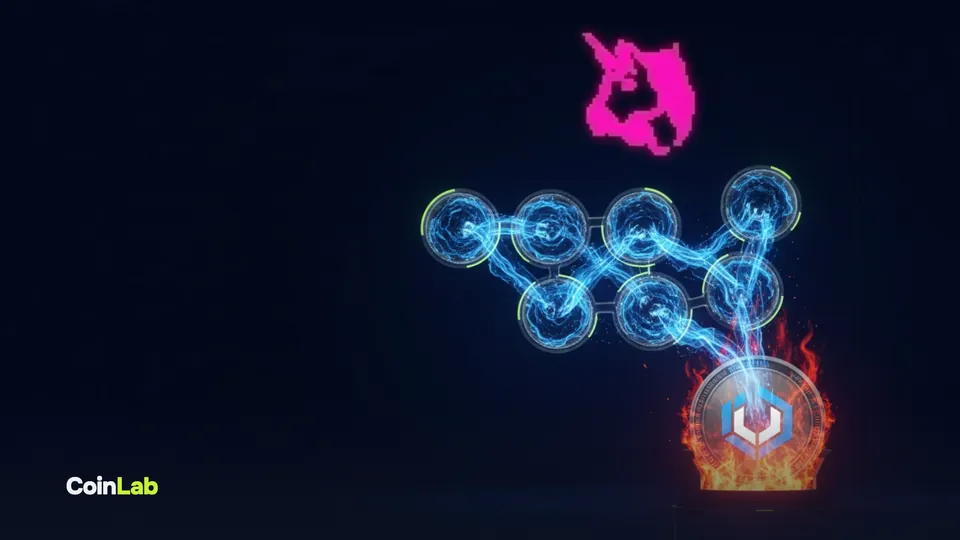
Uniswap Labs launched Aggregator Hooks on October 22, 2026, turning Uniswap v4 into an aggregator that plugs in seven external liquidity sources and collects a protocol fee on swaps routed through them. Those fees feed the burn of the UNI token. The feature is live on Ethereum mainnet, Base and Robinhood Chain.
Details
According to Uniswap's announcement, each Aggregator Hook wraps an external source in a Uniswap v4 hook, so any router sees it as a Uniswap pool. The system pulls fresh quotes every block, letting routers build optimal paths across Uniswap pools and outside sources in a single transaction. Uniswap says the connected sources cover more than 90% of DEX activity on the supported chains. Bitcoin.com reports that the sources include Curve, Fluid, PancakeSwap V3 and Slipstream.
Users get access automatically through the Uniswap web app; developers can use the Uniswap API with Guidestar routing. Uniswap also says it has processed more than $4.5 trillion in swaps.
The burn ties back to the UNIfication initiative: Uniswap Labs and the Uniswap Foundation put forward the proposal that switches on protocol fees on November 10, 2025. It was later approved by a governance vote, after which 100 million UNI were burned from the treasury.
What this means for the market
Until now the protocol earned fees only on swaps in its own pools. It will now also collect on trades routed through competing venues, which could widen the volume that feeds the burn. How much it changes the burn rate will show in the data over the coming weeks; Uniswap has not published projected burn figures.
This is not investment advice. See the UNI page for the token and the daily brief for the wider market.

Comments