 BTC$76,605
 ETH$2,243
 BNB$693.91
 XRP$1.25
 SOL$91.67
 TRX$0.3209
 HYPE$82.72
 ZEC$1,133
 DOGE$0.0738
 XMR$606.19
South Korea Urges Exchanges to Raise Cold Wallet Share
South Korea's FSC held an emergency meeting after the $6.3B Binance hack and asked local exchanges to raise cold wallet shares and set aside extra reserves.

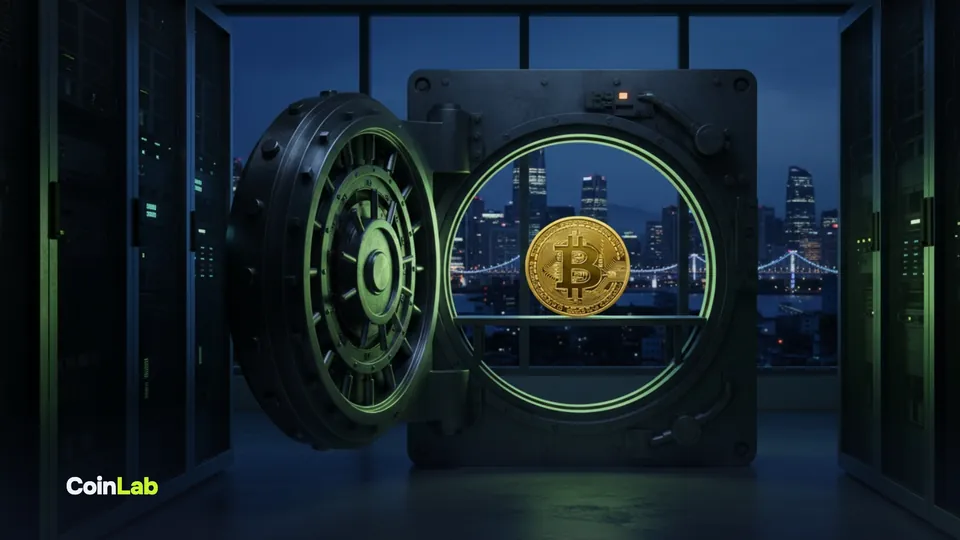
South Korea's Financial Services Commission (FSC) held an emergency meeting with local crypto exchanges on Nov. 2 over the Binance hack and asked them to raise the share of assets held in cold wallets, according to the FSC press release.
Details
The meeting was chaired by Yu Young-joon, the FSC's director for digital financial policy, and included the Financial Supervisory Service, the Financial Security Institute, the DAXA exchange association and major operators. The FSC says Binance reported on Oct. 30 (Korea time) that roughly $6.3B left its hot wallets without authorization. Binance said it is tracing and freezing the stolen assets and will cover user losses from company funds. More on the hack is in our chronicle.
The regulator noted that suggested causes include a compromised employee work laptop and unauthorized access to the transaction approval and signing system. The meeting therefore focused on access controls, how hot-wallet withdrawals are approved and signed, and administrator permission management.
Exchanges were asked to act immediately on four points: raise the cold wallet share, monitor deposits and withdrawals continuously and add incident-response staff, report and share suspicious access attempts quickly, and set aside additional reserves. These are requests, not new binding rules.
Cointelegraph, citing regulator data, reports that Korean law already requires at least 80% of customer assets in cold storage. At the end of September the ratios were 99.17% at Upbit, 94.76% at Bithumb, 85% at Coinone, 82.79% at Digital X and 80.54% at GOPAX (Cointelegraph). The FSC release itself does not include these figures.
What this means for the market
Korean exchanges sit well above the minimum, though a few have thin headroom: GOPAX and Digital X are closest to the 80% line. If the requests become rules, they would have to move more funds into cold storage, which can slow withdrawals and complicate liquidity management. Korea's regulators already blocked 27 exchange websites in October, and the Binance hack adds to the scrutiny of security practices.
For the live bitcoin price, see the daily brief. This is not investment advice.

Comments