 BTC$82,772
 ETH$2,485
 BNB$737.93
 XRP$1.36
 SOL$105.98
 TRX$0.3330
 ZEC$1,224
 HYPE$80.97
 DOGE$0.0836
 XMR$552.29
37-Bank Qivalis Wins Dutch E-Money License for Euro Stablecoin
The Dutch central bank granted an e-money license on Oct. 14 to Qivalis, a consortium of 37 European banks preparing a euro stablecoin due in coming months.

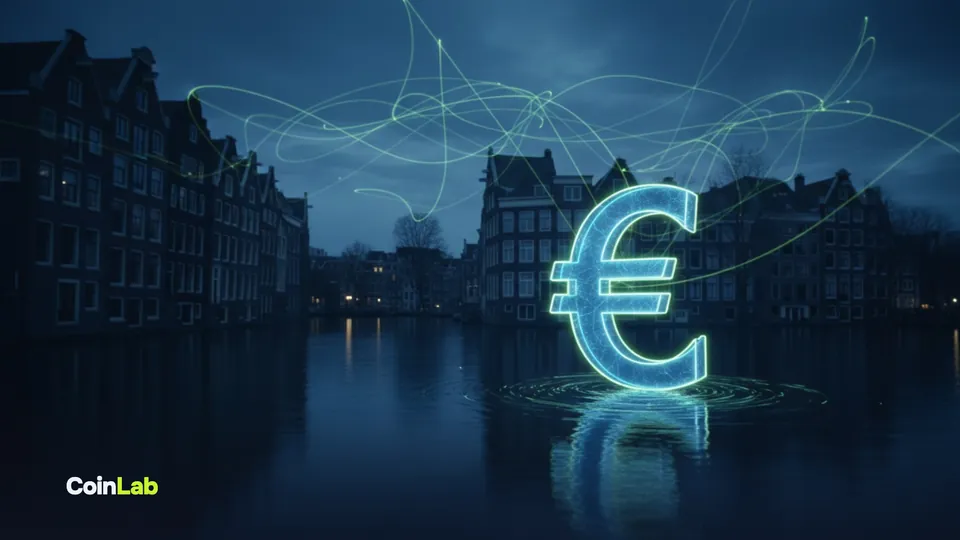
The Dutch central bank (DNB) has granted an electronic money institution (EMI) license to Qivalis, a consortium of 37 European banks from 15 countries that is preparing a euro stablecoin, the company said in a press release on Wednesday, Oct. 14, 2026. Issuance is planned to begin "within the next months."
Details
The license was granted under the Dutch Financial Supervision Act (Wft), and DNB will supervise the firm on an ongoing basis. Before issuing, Qivalis still has to meet the remaining requirements of the EU's MiCA regulation, including publishing a white paper, CoinDesk noted. The coin will be a fully reserved electronic money token (EMT): under MiCA, holders can redeem at face value at any time, and EMTs cannot pay interest.
Founded in Amsterdam in September 2025, Qivalis added 25 members in May 2026 to reach 37 banks, including BBVA, BNP Paribas, ING, DZ Bank and UniCredit. It is led by CEO Jan-Oliver Sell, with Sir Howard Davies, former chairman of NatWest Group and the UK Financial Services Authority, chairing the supervisory board. "Europe's currency deserves Europe's rules - on-chain," Sell said. Qivalis won't sell to consumers directly; the token will be distributed through banks, crypto exchanges, payment providers and market infrastructure firms. The consortium hasn't said how much money members expect to move through it.
What it means for the market
The stablecoin market is overwhelmingly dollar-based, dominated by USDT and USDC, while euro tokens remain small. A licensed euro stablecoin backed by some of the eurozone's largest banks is the most serious attempt yet to change that and give European banks and exchanges an on-chain settlement asset of their own.
For traders, it could mean deeper euro liquidity and a smoother route between bank accounts and exchanges, but a lot depends on when the token launches and how many member banks actually use it. Earlier, we covered how ESMA is tightening the rules for stablecoins without MiCA authorization.

Comments