 BTC$59,946
 ETH$1,667
 BNB$552.04
 XRP$0.9484
 SOL$72.00
 TRX$0.3008
 HYPE$64.46
 ZEC$748.34
 DOGE$0.0575
 LEO$9.03
Japan eyes a waiting period for withdrawals to self-custody wallets
Japan's FSA is weighing a cooling-off period that would stop new exchange customers from sending crypto straight to a self-custody wallet. No length has been set.

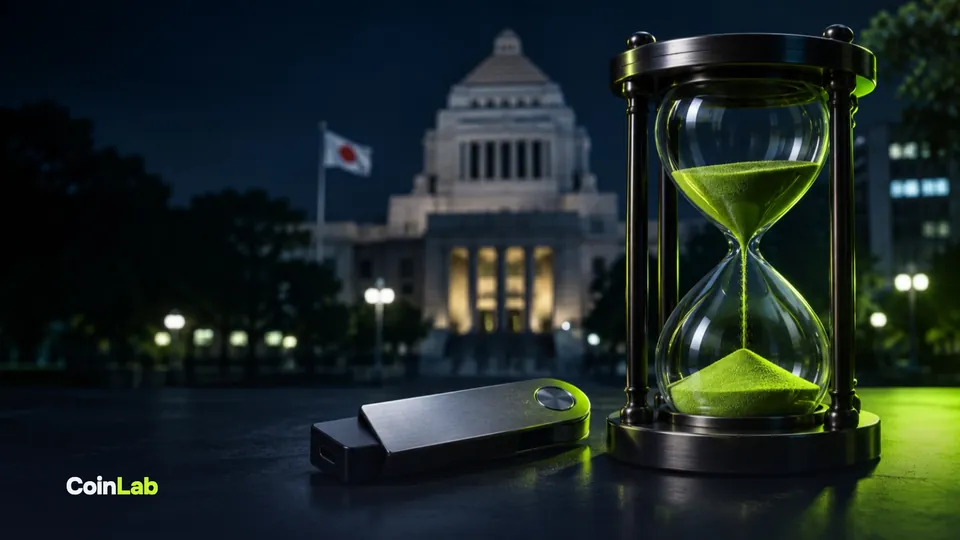
Japan's Financial Services Agency (FSA) put self-custody wallets on the agenda of its digital finance study group on Nov. 26. Among the measures the agency lists as planned is a cooling-off period: a customer who has just opened an exchange account would not be able to send crypto straight to a wallet they control. The FSA paper gives no length for the delay.
Details
The document is a secretariat briefing for the group's third session of the fiscal year, not a finished rule. It frames the pause as an obligation for crypto exchanges: after account opening, and again for transfers to a new address, customers would have to wait before moving funds. The aim is to disrupt scams in which victims are talked into "investing" and told to send crypto to a wallet the fraudster controls. The paper also mentions scam warnings, checks on the purpose of a transfer and transaction monitoring. The measures are meant to go into a Cabinet Office ordinance under the 2026 amendments to Japan's financial instruments and payment services laws.
Separately, the FSA poses questions for discussion: how to warn people about the risks of holding their own keys, chiefly that a lost key can leave coins unmovable, and whether more anti-money-laundering and counter-terrorism-financing measures are needed. Japanese exchanges must already keep records and collect information on transfers to self-custody wallets, but a direct wallet-to-wallet transfer involves no exchange, so those checks do not apply.
The idea has been building. The crypto working group floated a waiting period in February 2026, and in August the FSA and the National Police Agency asked the industry's self-regulatory body to tighten withdrawal limits. CryptoSlate notes that as of Nov. 27 the FSA's public rulemaking register showed no ordinance or effective date for the delay.
What this means for the market
For people who hold bitcoin themselves, the pause would affect only new exchange customers; existing accounts and direct wallet-to-wallet transfers are not covered in the paper. The final terms depend on the study group's discussion and on an ordinance that has not yet been published.
For the market, the signal is that Japan's regulator is tackling fraud by limiting withdrawals at exchanges rather than by restricting personal wallets. For the current bitcoin price see the daily brief and the Bitcoin page. This is not investment advice.



Comments